
Missing teeth can affect far more than your smile. They can impact chewing, speech, confidence, and even long-term oral health. That’s why dental implants have become one of the most trusted solutions for replacing missing teeth. But one question patients often ask before considering this treatment is simple yet important: how long do dental implants last?
At Dr. Neha Jain’s dental clinic in Dubai, patients frequently ask about the dental implant lifespan, success rates, and the care required to keep implants healthy for years. If you’re considering implants or already have them, understanding their longevity and proper maintenance can make all the difference. If you’re planning to restore your smile, you can consult an experienced implantologist in Dubai to understand the procedure and expected outcomes in detail.
This guide explains how long dental implants typically last, what research says about implant survival rates, and the maintenance tips you should never ignore if you want your implants to last decades—or even a lifetime.
Understanding Dental Implants and Their Longevity
What Are Dental Implants Made Of?
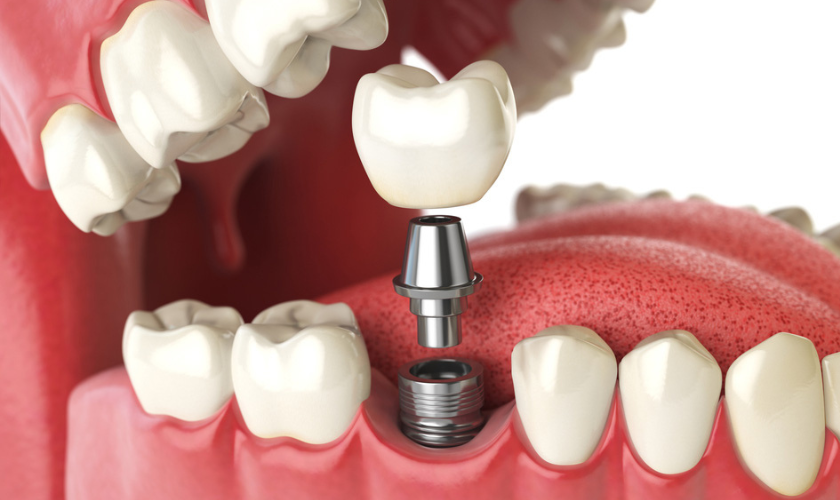
Dental implants are advanced tooth replacement systems designed to mimic the structure of natural teeth. They consist of three main components: the implant post, the abutment, and the crown. The implant post is usually made of medical-grade titanium, a material known for its durability and biocompatibility. Titanium has the unique ability to fuse with bone through a process called osseointegration, which creates a strong foundation for the artificial tooth.
The abutment acts as a connector between the implant post and the crown. The crown, which is the visible part of the implant, is often made from porcelain or ceramic materials that closely resemble natural teeth in color and strength. While the crown may eventually need replacement due to wear, the implant post itself can last for decades if properly cared for.
This structural design is one of the main reasons why dental implant lifespan is significantly longer than other tooth replacement options such as dentures or dental bridges. Instead of resting on gums or neighboring teeth, implants are anchored directly into the jawbone. This gives them remarkable stability and longevity.
According to the American Dental Association, dental implants are widely regarded as one of the most reliable long-term treatments for tooth loss, offering both functional and aesthetic benefits. Their durability, combined with proper care, makes them a preferred option for millions of patients worldwide.
Why Dental Implants Are Considered a Long-Term Tooth Replacement
Dental implants are often described as a long-term or permanent solution for missing teeth, and there are good reasons for that. Unlike traditional dentures, which may need replacement every 5–10 years, implants are designed to integrate with your jawbone and function like natural teeth.
One of the key factors behind the long dental implant lifespan is osseointegration. During this process, the jawbone grows around the implant post, anchoring it securely in place. This biological fusion creates an incredibly strong bond that allows implants to withstand the same chewing forces as natural teeth.
Another reason implants last longer is that they help preserve bone density. When a tooth is lost, the surrounding bone gradually begins to shrink because it no longer receives stimulation from chewing. Dental implants restore that stimulation, preventing bone loss and maintaining facial structure.
Many dentists refer to implants as a “lifetime investment in oral health.” Research suggests that when properly maintained, implants can last 20–30 years or longer. In some cases, patients keep their implants for the rest of their lives.
Compared to other tooth replacement methods, implants offer:
- Greater durability
- Improved chewing ability
- Better aesthetics
- Protection against bone loss
These advantages make implants not just a cosmetic solution but a long-term health investment.
How Long Do Dental Implants Last on Average?
Dental Implant Lifespan Based on Clinical Studies
Scientific studies consistently show that dental implants have extremely high success rates. Multiple long-term clinical studies suggest that implants are among the most predictable procedures in modern dentistry.
Research published in implant dentistry journals shows that:
| Time Period | Implant Survival Rate |
|---|---|
| 5–10 Years | 95–98% |
| 10 Years | 96.4% |
| 15 Years | 94% |
| 20 Years | Around 80–90% |
A meta-analysis covering thousands of implants reported a 96.4% survival rate after 10 years, which demonstrates how reliable this treatment is over time.
These statistics highlight an important point: most dental implants last at least 20 years, and many remain functional even longer with proper maintenance. According to research cited by dental associations, implant failure is relatively rare and usually linked to preventable factors such as poor oral hygiene or smoking.
Another interesting finding from recent studies is that even implants placed with bone grafting procedures have high success rates—around 97.83% at five years. This means patients with reduced bone density can still benefit from implants.
For more information on oral health and dental treatments, resources like the World Health Organization’s oral health program provide valuable global insights:
Can Dental Implants Last a Lifetime?
The short answer: yes, dental implants can last a lifetime, but it depends on several factors.
The implant post embedded in the jawbone is extremely durable. With proper oral care and regular dental check-ups, it can remain functional for decades. However, the crown attached to the implant may need replacement after 10–15 years due to normal wear and tear.
Think of dental implants like a house foundation. The foundation itself may last indefinitely, but parts of the structure built on top may occasionally need repairs or upgrades. The same concept applies to implant crowns.
Several factors influence whether implants last a lifetime:
- Oral hygiene habits
- Gum health
- Smoking or tobacco use
- Teeth grinding (bruxism)
- Regular dental visits
- Overall health conditions such as diabetes
Patients who follow proper maintenance routines often experience exceptional longevity from their implants.
Dental Implant Maintenance Tips You Shouldn’t Ignore
Daily Cleaning Routine for Dental Implants
Maintaining dental implants is surprisingly similar to caring for natural teeth. The biggest difference is that implants cannot develop cavities, but the surrounding gums can still become infected.
.
A proper daily routine should include:
- Brushing twice a day with a soft-bristled toothbrush
- Flossing around implants to remove plaque buildup
- Using antibacterial mouthwash to reduce bacteria
- Cleaning hard-to-reach areas with interdental brushes
Plaque accumulation around implants can lead to peri-implantitis, a condition similar to gum disease that can damage the bone supporting the implant. Early detection and good hygiene can prevent this problem entirely.
Many dentists recommend electric toothbrushes for implant patients because they provide more consistent plaque removal.
Professional Dental Check-Ups and Cleanings
Even with perfect home care, regular dental visits remain essential for maintaining implants.
During professional check-ups, dentists examine:
- Implant stability
- Gum health around the implant
- Bite alignment
- Crown condition
Professional cleaning also removes hardened plaque (tartar) that cannot be eliminated through brushing alone.
Organizations like the Centers for Disease Control and Prevention (CDC) emphasize regular dental visits as a critical part of maintaining oral health.
Most implant patients should visit the dentist every six months, though some may require more frequent checkups depending on their oral health.
Foods and Habits to Avoid
Dental implants are strong, but they’re not indestructible. Certain habits can shorten their lifespan.
Avoid:
- Chewing ice or hard candies
- Using teeth as tools
- Smoking or tobacco use
- Excessive alcohol consumption
Smoking is particularly harmful because it reduces blood flow to the gums, which can interfere with healing and increase the risk of implant failure.
Signs Your Dental Implant Needs Attention
While dental implants have high success rates, problems can occasionally arise. Knowing the warning signs allows patients to seek treatment early.
Watch for symptoms such as:
- Persistent gum inflammation
- Pain around the implant
- Implant mobility
- Difficulty chewing
- Gum recession near the implant
If any of these symptoms occur, visiting a dentist promptly can prevent more serious complications.
Are Dental Implant Crowns Permanent?
The implant post may last decades, but the crown attached to it typically lasts 10–15 years before replacement may be needed.
Daily chewing forces gradually wear down the crown material. Fortunately, replacing the crown is a relatively simple procedure compared to the initial implant surgery.
Cost vs Longevity: Are Dental Implants Worth It?
Dental implants may initially appear expensive compared to dentures or bridges. However, when you consider their longevity and benefits, they often become the most cost-effective option over time.
Patients researching dental implant Dubai price often discover that implants eliminate the need for repeated replacements that come with other tooth replacement options.
When evaluated over 20–30 years, implants frequently prove to be a worthwhile investment.
Frequently Asked Questions
Most dental implants last 20–30 years or longer, with many lasting a lifetime if properly maintained.
Clinical studies show 95–98% success rates within 10 years, making implants one of the most reliable dental procedures.
No special care is required beyond good oral hygiene, including brushing, flossing, and regular dental visits.
Yes, although rare. Implant failure may occur due to infection, bone loss, smoking, or poor oral hygiene.
Most dentists recommend check-ups every six months to ensure the implant and surrounding tissues remain healthy.
Why Choose Dr. Neha Jain – Best Dentist in Dubai for Dental Implants
Choosing the right implant dentist plays a huge role in the success and longevity of dental implants.
Dr. Neha Jain is recognized as one of the best dentists in Dubai, offering advanced implant treatments with a patient-centered approach. Patients looking for reliable and long-lasting solutions can explore treatment options with an experienced implantologist in Dubai who prioritizes precision, safety, and long-term oral health.
Key reasons patients choose this clinic include:
- Advanced dental implant technology
- Personalized treatment plans
- High standards of sterilization and safety
- Focus on long-term implant success
- Comprehensive aftercare guidance
Call to Action – Consult a Dental Implant Specialist
If you’re considering dental implants or want to know whether you’re a candidate, scheduling a consultation is the best next step. A qualified implant dentist can evaluate your bone health, gum condition, and overall oral health to determine the most suitable treatment plan.
Early consultation also helps patients understand treatment timelines, recovery expectations, and long-term care strategies.
Conclusion
Dental implants are widely considered one of the most reliable and durable solutions for replacing missing teeth. Research consistently shows 95–98% success rates within the first decade, and many implants last 20–30 years or longer with proper care.
Understanding how long dental implants last ultimately comes down to maintenance, lifestyle habits, and professional dental care. Regular check-ups, excellent oral hygiene, and avoiding harmful habits can significantly extend the lifespan of implants.
For patients seeking a long-term solution that restores both function and confidence, dental implants remain one of the most effective treatments available in modern dentistry.