
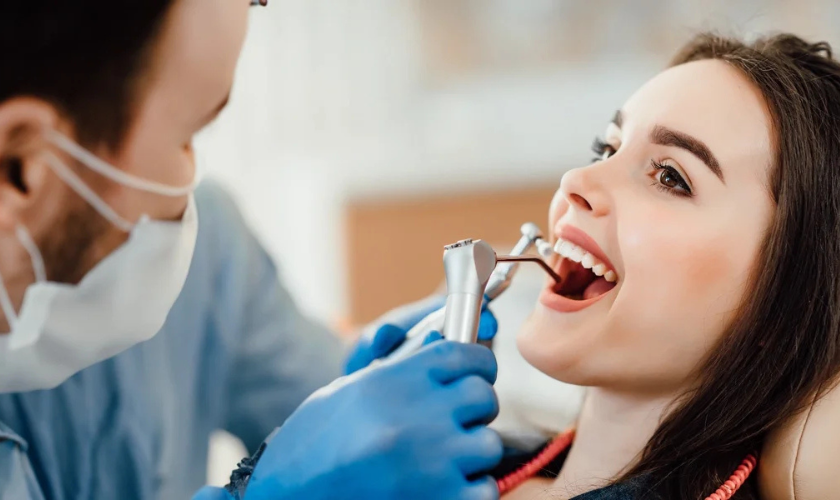
Many patients ask the same question after receiving treatment estimates from different clinics: “Why is there such a huge difference in dental prices?” One clinic offers a filling for a relatively low fee, while another charges significantly more for what seems like the same procedure. The truth is, dental pricing is
Why Patients Notice Different Dental Prices
Dental treatment costs can vary dramatically between:
- Cities
- Clinics
- Countries
- Specialists
- Treatment methods
Just like hotels, restaurants, or cars, dentistry has different levels of technology, expertise, and service quality that affect pricing.
A simple filling may cost differently depending on:
- Material used
- Dentist experience
- Clinic equipment
- Complexity of the cavity
What Determines Dental Treatment Costs?
Location Costs
One major reason prices vary is clinic location.
Urban clinics in major cities often have:
- Higher rent
- Higher staff salaries
- Greater operational expenses
This contributes to higher treatment fees compared to smaller towns or rural clinics.
Dentist Expertise and Qualifications
Highly experienced dentists or specialists may charge more because of:
- Advanced training
- Specialized certifications
- Complex case management skills
Patients often pay not just for the procedure — but for the dentist’s expertise and precision.
Treatment Complexity
Not all dental problems are equally simple.
For example:
- A shallow cavity may require a basic filling.
- A deep infection may need a root canal and crown.
Complex cases require:
- More time
- Advanced techniques
- Additional materials
How Materials Affect Dental Pricing
Composite vs Amalgam Fillings
Composite fillings:
- Match natural tooth color
- Offer better aesthetics
- Often cost more
Amalgam fillings:
- Are typically less expensive
- Contain metal components
- Are commonly used for durability
Porcelain vs Metal Crowns
Porcelain crowns provide natural aesthetics but usually cost more than metal crowns.
Implant Material Differences
High-quality titanium implants and premium zirconia restorations increase treatment costs but often improve longevity and aesthetics.
Technology and Modern Dentistry Costs
Digital X-Rays
Modern clinics use digital imaging systems that improve:
- Diagnostic accuracy
- Radiation safety
- Treatment planning
Laser Dentistry
Laser dentistry provides:
- Pain-free dental treatments
- Faster healing
- Minimal bleeding
However, advanced laser systems involve major investment for clinics.
CAD/CAM Dental Technology
CAD/CAM systems allow:
- Digital impressions
- Precise crowns
- Faster restorations
Technology improves outcomes but also affects operational costs.
According to theAmerican Dental Association (ADA), modern dental technology plays an important role in improving patient safety and treatment precision.
Procedure Type and Cost Differences
Dental Fillings
Fillings are generally among the most affordable procedures.
Estimated ranges may vary depending on:
- Material type
- Tooth location
- Cavity size
Root Canal Treatment
Root canals are more complex because they involve:
- Cleaning infected canals
- Preserving the tooth structure
- Advanced imaging and precision
Dental Bridges
Bridges replace missing teeth and involve:
- Crowns
- Laboratory work
- Multiple appointments
Dental Implants
Dental implants are among the most advanced restorative treatments.
Costs reflect:
- Surgical placement
- Implant material
- Bone integration
- Crown restoration
Implants often provide long-term durability and function.
Urban vs Rural Dental Pricing
Dental costs are usually higher in major metropolitan areas due to:
- Increased clinic overhead
- Greater demand
- Advanced facilities
This explains why Dubai dentist prices may differ significantly from smaller cities or countries.
However, patients often benefit from:
- Better technology
- International safety standards
- Specialist availability
Why Specialist Dentists Charge More
General dentists and specialists perform different roles.
Specialists such as:
- Endodontists
- Orthodontists
- Periodontists
- Oral surgeons
undergo additional years of training.
Complex treatments often require specialist-level expertise for better outcomes.
Insurance Coverage and Dental Costs
Insurance plans may partially cover:
- Preventive care
- Fillings
- Root canals
- Crowns
However, cosmetic or elective procedures may have limited coverage.
Patients should always confirm:
- Coverage percentages
- Waiting periods
- Procedure eligibility
Cheap Dentistry vs Long-Term Value
Low prices can sometimes appear attractive initially, but cheaper treatment may involve:
- Lower-quality materials
- Outdated techniques
- Shorter restoration lifespan
A low-cost crown that fails early may ultimately cost more through repeated repairs or replacements.
Think of dental treatment as an investment — not just an expense.
How Delaying Treatment Increases Costs
Small problems often become larger and more expensive over time.
For example:
- Small cavity → Filling
- Untreated cavity → Root canal + crown
- Missing tooth → Implant replacement
Preventive care almost always costs less than emergency restorative treatment.
Are Expensive Dental Treatments Always Better?
Not necessarily.
Higher pricing may reflect:
- Better materials
- Advanced technology
- Specialist care
- Enhanced comfort
But patients should evaluate:
- Treatment quality
- Experience
- Transparency
- Clinic reputation
The goal is value, not simply the lowest or highest price.
Understanding Dental Cost Transparency
A trustworthy clinic should clearly explain:
- Treatment options
- Material choices
- Expected outcomes
- Long-term maintenance
- Cost breakdowns
Transparent communication helps patients make confident decisions.
TheWorld Health Organization (WHO) – Oral Health highlights preventive dental care and access to quality oral healthcare as essential components of long-term wellness.
Frequently Asked Questions
Dental prices vary because of factors like clinic location, dentist expertise, technology, materials, and treatment complexity.
Dental implants involve surgery, premium materials, advanced planning, and long-term restorative work.
Yes. Specialists usually have advanced training and handle more complex procedures.
Higher-quality materials often improve durability, aesthetics, and long-term outcomes.
Urban clinics typically have higher operational costs, advanced facilities, and specialist demand.
Why Choose Dr. Neha Jain for Affordable Quality Dental Care in Dubai
Patients trust Dr. Neha Jain – Best Dental Clinic in Dubai because of:
- Transparent treatment planning
- Advanced dental technologyplans
- Patient-focused care
- Modern sterilization standards
- Personalized treatment solutions
The clinic focuses on balancing affordability, quality, and long-term oral health outcomes.
Learn more about
Dubai dentist prices
Call to Action
Choosing dental treatment should never be based on price alone. Quality materials, skilled professionals, and advanced technology can significantly impact long-term oral health and treatment success.
Book your consultation today with Dr. Neha Jain Dental Clinic Dubai and receive personalized dental care with transparent treatment planning and modern dental solutions.
Conclusion
Understanding why dental prices vary helps patients make smarter decisions about oral healthcare. Dental treatment costs depend on many factors, including materials, technology, clinic location, dentist expertise, and treatment complexity.
With modern dental technology, transparent care, and patient-focused treatment planning, Dr. Neha Jain Dental Clinic Dubai provides high-quality dental solutions designed to balance affordability, safety, aesthetics, and long-term oral health success.
- Your dental condition
- Budget
- Long-term goals
With the right choice and proper care, your restoration can last for years—sometimes decades.