
Tooth Replacement Options
Losing a tooth isn’t just about appearance—it’s like removing a brick from a wall. Over time, the entire structure can weaken. Whether it’s due to age, injury, or decay, missing teeth can affect how you eat, speak, and even how confident you feel when smiling. That’s why choosing the right replacement option matters more than most people initially realize.
If you’ve been researching dentures vs implants, you’ve likely come across conflicting advice. Both options restore your smile, but they work in completely different ways. At Dr. Neha Jain’s clinic, known as one of the best dental clinics in Dubai, patients often ask which solution truly offers better long-term results.
Learn more about dentures in Dubai and explore your options with expert guidance.
The truth? There’s no one-size-fits-all answer. Your ideal choice depends on your oral health, lifestyle, and expectations. Let’s break it down so you can make a confident, informed decision.
Why Replacing Missing Teeth Matters
Ignoring missing teeth is like ignoring a slow leak in your roof—it may not seem urgent, but the damage builds quietly. When a tooth is lost, the surrounding bone begins to shrink due to lack of stimulation. This process, known as bone resorption, can change your facial structure over time.
Beyond aesthetics, missing teeth can:
- Reduce chewing efficiency
- Cause speech difficulties
- Lead to shifting of neighboring teeth
- Increase risk of gum disease
According to the World Health Organization (WHO) oral health plays a crucial role in overall well-being, affecting nutrition and quality of life.
That’s why solutions like dentures and dental implants are not just cosmetic—they’re essential for maintaining oral function and long-term health.
What Are Dentures?
Dentures are removable appliances designed to replace missing teeth. Think of them as a customizable “set” of teeth that sit on your gums and restore basic functionality.
Modern dentures have come a long way. They’re lighter, more natural-looking, and more comfortable than older versions your grandparents might have worn. Still, they remain a removable solution, which is a key distinction when comparing dentures vs dental implants.
Types of Dentures
Full Dentures
Full dentures are used when all teeth in the upper or lower jaw are missing. They rest directly on the gums and rely on suction or adhesives for stability.
Partial Dentures
Partial dentures are ideal when some natural teeth remain. They use clasps or precision attachments to anchor onto existing teeth, filling the gaps seamlessly.
While dentures are generally more affordable upfront, they may require adjustments over time due to changes in the jawbone.
What Are Dental Implants?
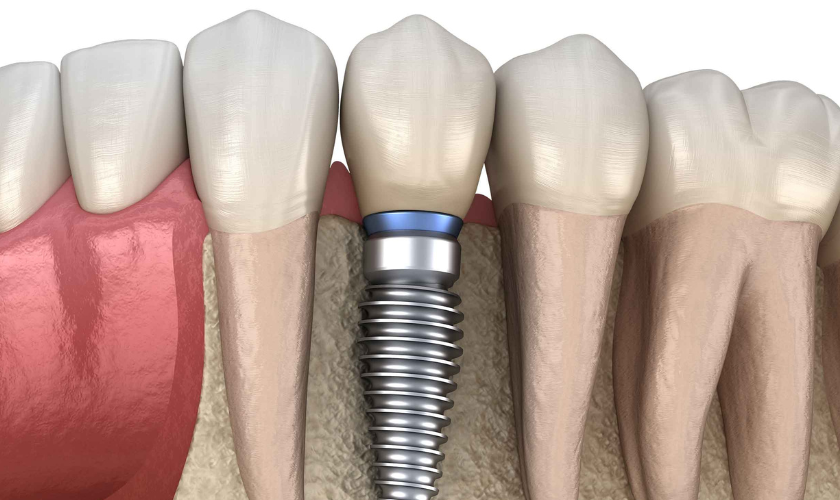
Dental implants are often considered the gold standard in tooth replacement. Unlike dentures, they are fixed in place and mimic the natural tooth structure from root to crown.
How Dental Implants Work
A dental implant consists of a titanium post surgically inserted into the jawbone. Over time, it integrates with the bone—a process called osseointegration—creating a strong, stable foundation for a crown.
This jawbone integration is what sets implants apart in the implants vs dentures debate.
Types of Dental Implants
- Single tooth implants
- Implant-supported bridges
- Full arch implants (All-on-4)
Each option is tailored based on how many teeth need replacement and the patient’s bone density.
Dentures vs Dental Implants: Key Differences
Stability and Comfort
Dentures can sometimes slip or shift, especially while eating or speaking. Implants, on the other hand, are anchored into the bone, offering unmatched stability and a more natural feel.
Chewing Efficiency
Here’s a big one. Dentures typically restore only about 25% of chewing ability, while implants can restore up to 90%. That means you can enjoy foods like steak or nuts without worry.
Bone Preservation
Implants stimulate the jawbone, preventing bone loss. Dentures do not provide this benefit, which can lead to facial sagging over time.
Lifespan and Durability
- Dentures: 5–10 years
- Implants: 15+ years or even lifetime
Cost-Effectiveness
Dentures are cheaper initially, but implants often prove more cost-effective in the long run due to fewer replacements and maintenance costs.
Pros and Cons of Dentures
Dentures are a practical solution for many, especially those seeking a non-surgical option.
Pros:
- Affordable upfront cost
- Non-invasive
- Quick turnaround
Cons:
- Less stable
- Requires adhesives
- Needs frequent adjustments
Dentures are like renting a house—they serve the purpose, but they’re not permanently yours.
Pros and Cons of Dental Implants
Dental implants offer a more permanent and natural solution.
Pros:
- High stability
- Natural appearance and feel
- Bone preservation
- Long lifespan
Cons:
- Higher initial cost
- Requires surgery
- Longer treatment timeline
Think of implants as owning your home—they require investment, but they offer lasting value.
Who Is a Good Candidate for Dentures?
Dentures are ideal for individuals who:
- Have significant tooth loss
- Prefer a non-surgical solution
- Have insufficient bone density for implants
- Need a budget-friendly option
They’re particularly beneficial for older adults or those with medical conditions that make surgery risky.
Who Should Consider Dental Implants?
Dental implants are best suited for those who:
- Have healthy gums and sufficient bone
- Want a permanent solution
- Value comfort and stability
- Are willing to undergo a surgical procedure
If you’re looking for a “set it and forget it” solution, implants are hard to beat.
The Surgical Procedure vs Non-Surgical Option
Dentures require no surgery, making them a quick and accessible option. Implants, however, involve a minor surgical procedure followed by healing time.
While this may sound intimidating, modern techniques have made implant surgery safe and predictable, with high success rates.
Maintenance and Long-Term Care
Dentures need daily removal and cleaning, along with periodic relining. Implants, on the other hand, can be brushed and flossed just like natural teeth.
In the long run, implants often require less maintenance effort.
Dentures vs Implants: What Do Statistics Say?
Data tells an interesting story:
- 73% of patients prefer implants
- 76% report improved quality of life with implant overdentures
- Implant usage is steadily rising globally
These numbers highlight a growing shift toward implants due to their comfort and durability.
Cost Comparison in Dubai
Costs vary depending on complexity, but generally:
| Feature | Dentures | Implants |
|---|---|---|
| Initial Cost | Lower | Higher |
| Lifespan | 5–10 years | 15+ years |
| Maintenance Cost | Moderate | Low |
| Long-Term Value | Lower | Higher |
Overdentures: A Hybrid Solution
Not sure which way to go? Overdentures offer a middle ground. These are dentures supported by implants, combining stability with affordability.
Explore overdentures in Dubai for a balanced solution.
They improve retention and chewing efficiency while reducing the number of implants needed.
Frequently Asked Questions
Yes, implants offer better stability, chewing efficiency, and longevity compared to dentures.
Dentures typically last between 5 to 10 years with proper care.
The procedure is usually performed under anesthesia, and most patients report minimal discomfort.
Yes, many patients transition from dentures to implants when ready.
Overdentures are dentures supported by implants, offering improved stability and comfort.
Why Choose Dr. Neha Jain for Tooth Replacement?
Choosing the right dentist matters just as much as choosing between dentures vs implants.
At Dr. Neha Jain’s clinic, you get:
- Personalized treatment plans
- Advanced dental technology
- Expertise in both dentures and implants
- Patient-centered care
Discover why patients trust dentures vs implants treatments in Dubai at
Call to Action: Take the First Step Toward Your Smile
Your smile deserves more than a temporary fix. Whether you’re leaning toward dentures or implants, the best decision starts with a professional consultation.
Book your appointment today and get a customized treatment plan tailored to your needs.
Conclusion
Choosing between dentures vs dental implants comes down to your priorities. If you want affordability and simplicity, dentures may be the right fit. If you’re after durability, comfort, and long-term value, implants stand out as the superior choice.
Both options can transform your smile—but only one will align perfectly with your lifestyle and expectations.