
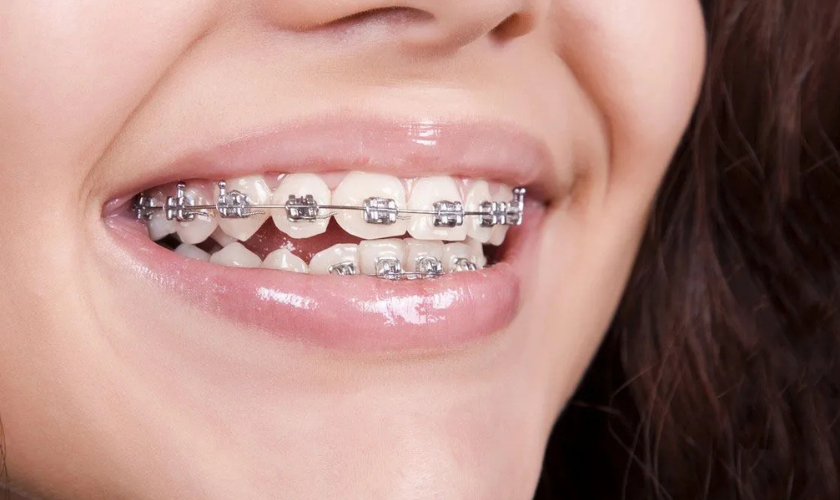
Braces and Invisalign
A straight, confident smile is something many people desire, but misconceptions about orthodontic treatments often stop people from taking the first step. Many patients believe braces are extremely painful, that Invisalign works only for simple cases, or that orthodontic treatment takes forever. These misunderstandings can create unnecessary fear and confusion.
At Dr. Neha Jain’s dental clinic, patients frequently ask questions about braces and Invisalign myths before starting treatment. Modern orthodontics has evolved tremendously, offering faster, more comfortable, and highly effective solutions. If you are considering straightening your teeth, you can explore professional orthodontics in Dubai to understand which treatment option suits your smile best.
In this article, we’ll bust the most common myths about braces and Invisalign, explain the science behind these treatments, and help you make an informed decision about improving your smile.
Why Orthodontic Treatment Is More Popular Than Ever
Orthodontic treatment has become increasingly common among both teenagers and adults. Advances in dental technology have made treatments more efficient, less visible, and more comfortable than ever before. Today, people no longer need to rely solely on traditional metal braces to correct their teeth.
Clear aligner systems like Invisalign have revolutionized orthodontics by offering a discreet alternative. Instead of brackets and wires, Invisalign uses custom-made clear trays that gradually move teeth into their correct positions. This option has become particularly popular among adults who want to straighten their teeth without noticeable braces.
According to global oral health organizations such as the World Health Organization (WHO), maintaining proper dental alignment plays a crucial role in long-term oral health. Properly aligned teeth are easier to clean, which reduces the risk of cavities and gum disease.
Orthodontic treatments are no longer just about aesthetics—they also improve function, bite alignment, and overall dental health.
Why So Many Myths Exist About Braces and Invisalign
Influence of Social Media and Outdated Information
Many braces and Invisalign myths originate from outdated information or personal anecdotes that don’t reflect modern dentistry. Someone who wore braces twenty years ago may describe a completely different experience compared to today’s advanced orthodontic treatments.
Social media also contributes to misinformation. Viral posts and quick opinions often oversimplify orthodontic procedures, making them sound more complicated or less effective than they actually are.
For example, one common misconception is that Invisalign works only for minor alignment issues. While that might have been true when clear aligners first appeared, today’s advanced systems can treat a wide range of orthodontic problems.
Understanding the facts behind these myths helps patients make confident decisions about their oral health.
Myth #1 – Invisalign Is Only for Minor Cases
This is probably the most common Invisalign myth.
Many people believe that clear aligners can only fix minor spacing issues or slightly crooked teeth. In reality, Invisalign technology has advanced significantly and can now treat many moderate orthodontic problems.
Modern Invisalign systems can address:
- Crowded teeth
- Gaps between teeth
- Overbite and underbite
- Crossbite
- Mild to moderate misalignment
Clinical data suggests Invisalign achieves an 80–90% success rate in mild to moderate orthodontic cases, which is comparable to traditional braces in many situations.
Orthodontists now use advanced digital scanning and treatment planning software to precisely guide tooth movement throughout the treatment process.
While extremely complex cases may still require braces, many patients who once believed they were not candidates for Invisalign are now successfully treated with clear aligners.
Myth #2 – Invisalign Takes Longer Than Braces
Another widespread misconception is that Invisalign treatment takes longer than traditional braces. In reality, treatment duration depends on several factors, including the severity of the misalignment and how well the patient follows instructions.
Studies comparing orthodontic treatments show that Invisalign treatment averages about 18 months, while traditional braces often take around 24 months for similar cases.
However, Invisalign requires patient discipline. Aligners must be worn 20–22 hours per day to achieve the desired results. Removing them frequently or forgetting to wear them can delay progress.
Think of Invisalign like a gym membership—having the equipment doesn’t guarantee results. Consistent use is what delivers the transformation.
When patients follow their orthodontist’s instructions carefully, Invisalign can be just as fast—and sometimes even faster—than braces.
Myth #3 – Invisalign Is Not as Effective as Braces
Many people believe braces are the only truly effective orthodontic treatment. This myth often arises from the visibility and long history of traditional braces.
However, research comparing treatment outcomes shows no significant difference in results between braces and Invisalign for mild to moderate cases.
Traditional braces may still be the preferred option for very complex cases because they allow orthodontists to apply precise forces through brackets and wires. But Invisalign technology continues to improve every year.
Today, orthodontists use sophisticated digital tools to plan tooth movement step by step, ensuring predictable results.
Patient satisfaction is also extremely high. Surveys indicate that 96% of Invisalign patients report high satisfaction with their treatment, largely due to comfort and convenience.
Myth #4 – Braces Are Extremely Painful
Many adults remember stories about painful braces adjustments, which creates fear around orthodontic treatment.
While braces can cause mild discomfort during adjustments, modern orthodontic technology has greatly reduced pain levels. Most patients experience only temporary pressure as their teeth begin to move.
This sensation typically lasts a few days after adjustments and can be managed with simple measures such as soft foods or over-the-counter pain relief.
The good news is that newer braces use lighter, more flexible wires, which apply gentle pressure rather than intense force. This makes treatment much more comfortable than older orthodontic methods.
Myth #5 – Invisalign Is Uncomfortable
Some patients worry that Invisalign aligners might be bulky or irritating. In reality, Invisalign trays are made from smooth, custom-molded plastic designed specifically for comfort.
Unlike braces, there are no metal brackets or wires that can irritate the inside of the mouth. Most patients adapt to their aligners within a few days.
The removable design also offers advantages:
- Easier eating
- Better oral hygiene
- No dietary restrictions
- Less irritation to gums and cheeks
These benefits are a major reason why Invisalign has become one of the fastest-growing orthodontic treatments worldwide.
Myth #6 – Braces Are Only for Teenagers
Orthodontic treatment is not limited to teenagers. In fact, adults now make up a growing percentage of orthodontic patients.
Many people choose to straighten their teeth later in life for professional or personal reasons. Modern options like ceramic braces and Invisalign allow adults to undergo treatment discreetly.
Orthodontic care can improve not only appearance but also bite function and long-term oral health.
Myth #7 – Orthodontic Treatment Is Only Cosmetic
Straight teeth certainly enhance appearance, but orthodontic treatment goes far beyond aesthetics.
Correcting misalignment helps prevent:
- Tooth decay
- Gum disease
- Jaw strain
- Uneven tooth wear
- Speech difficulties
According to the Centers for Disease Control and Prevention (CDC), maintaining proper oral alignment contributes to better long-term dental health and easier cleaning.
In other words, orthodontics is both a cosmetic and functional investment in your health.
How to Choose Between Braces and Invisalign
Choosing between braces and Invisalign depends on several factors:
- Complexity of the dental problem
- Lifestyle preferences
- Budget considerations
- Commitment to wearing aligners
Patients often research braces in Dubai price to understand the financial aspects before deciding on treatment.
An orthodontic consultation is the best way to determine the most suitable option for your unique dental needs.
Frequently Asked Questions
Yes. For mild to moderate orthodontic cases, Invisalign can produce results comparable to braces when worn consistently.
Both treatments may cause mild pressure initially, but most patients find the discomfort manageable and temporary.
Absolutely. Orthodontic treatment is common among adults, and many discreet options are available.
Most Invisalign treatments last 12–18 months, depending on the complexity of the case.
Yes. Invisalign is highly effective at correcting mild to moderate crowding and spacing issues.
Why Choose Dr. Neha Jain for Orthodontics in Dubai
Choosing the right dentist is crucial for successful orthodontic treatment.
Dr. Neha Jain is widely recognized as one of the best dentists in Dubai, offering advanced orthodontic solutions tailored to each patient’s needs. Patients seeking professional orthodontics in Dubai benefit from modern diagnostic tools, personalized treatment plans, and comprehensive care.
Reasons patients trust Dr. Neha Jain’s clinic include:
- Advanced orthodontic technology
- Customized treatment plans
- Expertise in braces and Invisalign
- Patient-focused approach
- Comprehensive dental care under one roof
Call to Action – Consult an Orthodontic Expert
If you’ve been delaying orthodontic treatment because of myths or misconceptions, now is the perfect time to get accurate information from a professional.
A consultation with an experienced orthodontist can help you understand your options, treatment timeline, and expected results.
Taking the first step toward a healthier, straighter smile can make a lasting difference in both confidence and oral health.
Conclusion
Misconceptions about orthodontic treatment often prevent people from exploring solutions that could dramatically improve their smile and oral health.
The truth is that many common braces and Invisalign myths are simply outdated or inaccurate. Invisalign can treat more than just minor cases, braces are far more comfortable than before, and orthodontic treatment is suitable for patients of all ages.
Understanding the facts allows you to make informed decisions about your dental health. Whether you choose braces or Invisalign, modern orthodontics offers effective, safe, and predictable results.
A consultation with a qualified orthodontist is the best way to determine which treatment option will give you the confident smile you deserve.