Why Dental Hygiene Matters More Than You Think
Most people believe that brushing their teeth twice a day is enough to maintain good oral health. While brushing is essential, many small habits throughout the day influence the health of your teeth and gums. In fact, simple dental hygiene mistakes can gradually lead to cavities, gum disease, enamel erosion, and bad breath—even if you think you’re doing everything right.
At Dr. Neha Jain’s clinic, patients often discover that small daily habits are the real reason behind many dental problems. Practicing proper dental hygiene in Dubai is not just about brushing—it’s about following a complete oral care routine recommended by professionals. When maintained correctly, these habits can help prevent most common dental issues and keep your smile healthy for years.
Many people unknowingly make mistakes such as brushing too hard, skipping flossing, or ignoring their tongue during cleaning. Over time, these habits can damage teeth and gums. Understanding these mistakes—and learning how to fix them—can dramatically improve your oral health.
The Link Between Oral Health and Overall Health
Your mouth is more connected to your overall health than you might think. Poor dental hygiene doesn’t just lead to cavities—it can also contribute to more serious health conditions.
According to the Centers for Disease Control and Prevention (CDC) untreated oral diseases such as gum disease can increase the risk of systemic health problems, including heart disease and diabetes.
When bacteria accumulate in the mouth due to poor oral hygiene, they can enter the bloodstream and affect other parts of the body. This makes proper dental care not only important for your smile but also essential for maintaining overall health.
Healthy teeth allow you to chew properly, speak clearly, and smile confidently. Maintaining strong dental hygiene habits is one of the simplest ways to protect your long-term well-being.
Mistake #1 – Brushing Too Hard
Why Aggressive Brushing Damages Teeth
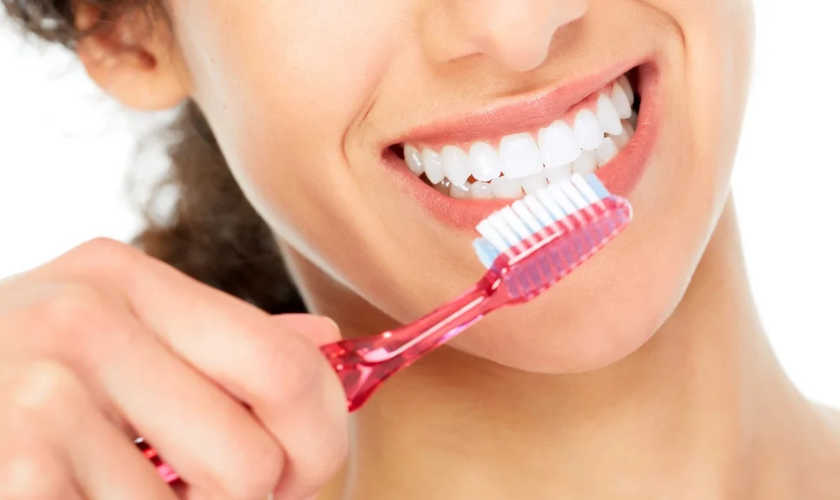
Many people believe that brushing harder will clean their teeth better. Unfortunately, the opposite is true. Brushing too aggressively can actually damage your teeth and gums over time.
When you brush with excessive pressure, the toothbrush bristles wear down the protective enamel layer. Enamel is the hardest substance in the human body, but once it erodes, it cannot regenerate. Aggressive brushing can also cause gum recession, which exposes sensitive tooth roots and increases the risk of decay.
Dentists often notice this mistake when patients complain about tooth sensitivity. The issue is not a lack of brushing but brushing too forcefully.
Correct Brushing Technique Dentists Recommend
Instead of scrubbing your teeth, use gentle circular motions with a soft-bristled toothbrush. Hold the brush at a 45-degree angle toward the gum line and let the bristles do the work.
Think of brushing like polishing a delicate surface rather than scrubbing a dirty pan. Gentle pressure cleans teeth effectively while protecting enamel and gums.
Mistake #2 – Not Brushing Long Enough
The Two-Minute Rule for Proper Oral Hygiene
Another common dental hygiene mistake is rushing through brushing. Many people brush for less than a minute, which simply isn’t enough time to clean every tooth properly.
Dentists recommend brushing for at least two minutes twice a day. This allows enough time to clean all surfaces of your teeth, including the outer, inner, and chewing areas.
An easy way to ensure proper brushing time is to divide your mouth into four sections:
- Upper left
- Upper right
- Lower left
- Lower right
Spend about 30 seconds on each section to ensure complete cleaning.
Electric toothbrushes often include built-in timers that help maintain the correct brushing duration.
Mistake #3 – Skipping Flossing
Why Flossing Is Essential for Gum Health
If brushing cleans about 60% of your tooth surfaces, flossing cleans the remaining 40%. Yet many people skip this step entirely.
Plaque and food particles easily become trapped between teeth where toothbrush bristles cannot reach. Without flossing, bacteria accumulate in these tight spaces and cause cavities and gum inflammation.
Over time, untreated plaque can harden into tartar, which requires professional cleaning to remove. Regular flossing prevents this buildup and keeps gums healthy.
A good flossing routine:
- Use about 18 inches of floss
- Gently slide it between teeth
- Curve it around each tooth to clean below the gum line
Flossing may seem like a small step, but it plays a huge role in preventing gum disease.
Mistake #4 – Using the Wrong Toothbrush
Choosing the Right Brush for Better Oral Care
Not all toothbrushes are created equal. Many people choose medium or hard bristle brushes thinking they clean better. However, dentists strongly recommend soft-bristled toothbrushes.
Hard bristles can damage enamel and irritate gums, especially when combined with aggressive brushing.
A proper toothbrush should:
- Have soft bristles
- Fit comfortably in your mouth
- Allow easy access to back teeth
- Be easy to hold and maneuver
Electric toothbrushes are also highly effective because they provide consistent motion and improved plaque removal.
Mistake #5 – Not Replacing Your Toothbrush Often Enough
Toothbrushes wear out over time. Frayed bristles cannot clean teeth effectively and may even harbor bacteria.
Dentists recommend replacing your toothbrush every three to four months, or sooner if the bristles appear worn.
If you’ve recently recovered from an illness such as the flu, replacing your toothbrush can also help prevent reinfection.
Mistake #6 – Rinsing Immediately After Brushing
Many people rinse their mouth with water immediately after brushing. While this may feel refreshing, it actually washes away the fluoride left by toothpaste.
Fluoride strengthens enamel and helps protect teeth from cavities. Allowing a thin layer of fluoride to remain on your teeth provides longer protection.
Instead of rinsing vigorously, simply spit out the toothpaste and avoid drinking water for about 30 minutes after brushing.
Mistake #7 – Ignoring Your Tongue During Cleaning
Your tongue contains thousands of tiny crevices where bacteria can accumulate. If you skip cleaning your tongue, those bacteria can cause bad breath and contribute to plaque buildup.
Using a tongue scraper or brushing your tongue gently helps remove these bacteria and improves overall oral freshness.
Mistake #8 – Frequent Snacking on Sugary Foods
Frequent snacking—especially on sugary foods—creates a constant supply of fuel for harmful oral bacteria.
These bacteria produce acids that attack tooth enamel and lead to cavities. Sticky foods like candies and dried fruits are particularly harmful because they cling to teeth for longer periods.
Reducing sugary snacks and drinking plenty of water helps maintain better oral health.
Mistake #9 – Skipping Regular Dental Checkups
Even with excellent home care, professional dental visits remain essential.
Dentists can detect problems such as cavities, gum disease, or early enamel damage before they become serious. Regular checkups also include professional cleaning that removes hardened plaque.
According to the World Health Organization (WHO) preventive dental care significantly reduces the risk of oral diseases.
Mistake #10 – Assuming Mouthwash Replaces Brushing
Mouthwash is a helpful addition to oral hygiene, but it cannot replace brushing and flossing.
Think of mouthwash as the finishing touch rather than the main cleaning method. Brushing removes plaque, flossing cleans between teeth, and mouthwash helps reduce bacteria.
Daily Dental Hygiene Routine Recommended by Dentists
An ideal oral care routine includes:
- Brushing twice daily for two minutes
- Flossing once daily
- Cleaning your tongue
- Using fluoride toothpaste
- Limiting sugary foods
- Visiting the dentist every six months
These habits form the foundation of long-term dental health.
Frequently Asked Questions
Skipping flossing is one of the most common mistakes because it allows plaque to build up between teeth.
Dentists recommend replacing your toothbrush every three to four months.
No, but brushing too hard or too frequently can wear down enamel. Gentle brushing is key.
Most dentists recommend brushing before breakfast to remove overnight bacteria.
No. Mouthwash supports oral hygiene but cannot replace brushing and flossing.
Why Choose Dr. Neha Jain – Best Dentist in Dubai
Choosing the right dental clinic plays a crucial role in maintaining long-term oral health. Patients looking for an experienced dentist in Dubai trust Dr. Neha Jain for comprehensive and personalized dental care.
Reasons patients choose Dr. Neha Jain’s clinic include:
- Advanced dental technology
- Preventive-focused dental care
- Personalized treatment plans
- Comfortable and patient-friendly environment
- Expertise in modern dental hygiene techniques
Call to Action – Improve Your Dental Hygiene Today
If you suspect your daily oral care routine may not be as effective as it should be, it’s time to consult a dental professional. A dentist can evaluate your current habits and recommend personalized improvements for better oral health.
Taking action today can prevent costly dental treatments in the future.
Conclusion
Good oral health is built on daily habits. Many people believe they are maintaining excellent dental hygiene, but small mistakes—like brushing too hard or skipping flossing—can gradually lead to serious problems.
By identifying and correcting these common dental hygiene mistakes, you can protect your teeth, maintain healthy gums, and prevent costly dental treatments.
A few simple changes in your daily routine can make a lasting difference in your oral health and overall well-being.